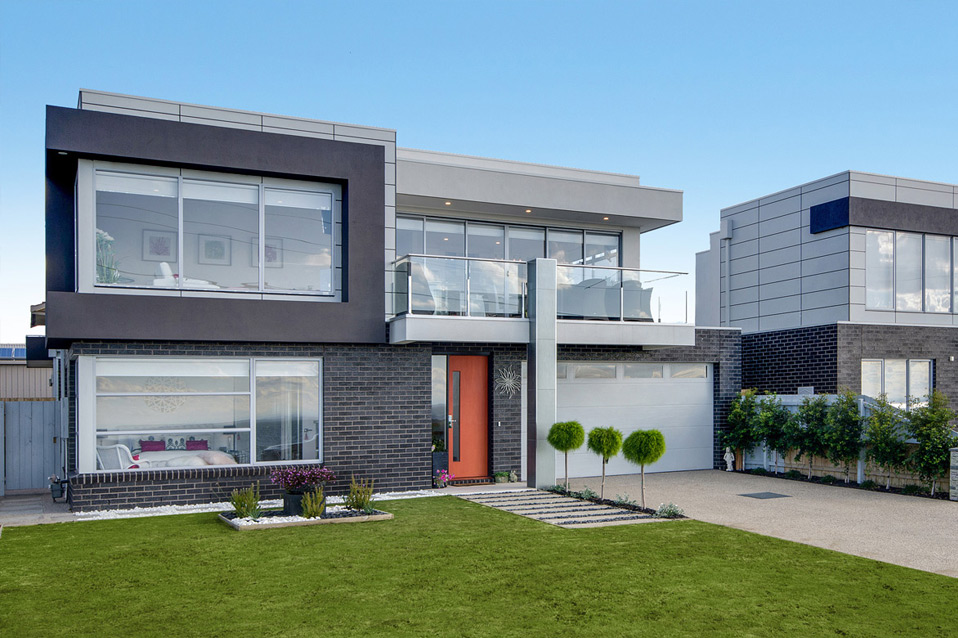

Building a home is a fairly complex affair at best, and it’s something you might not want to attempt to DIY. From putting the proverbial (or real) first spade into the ground and excavating to pouring the foundation, framing and roofing, plumbing and electrical, and all of the other essential tasks, it’s a lot of work, and you’d probably wish that that’s all you had to worry about. The red tape and bureaucracy can be a real beast of their own, but they are necessary in order to build your home lawfully and in compliance with the local council.
What about building a dual occupancy home? What is the most difficult part, and how can you make it as stress-free as possible? Well, if you want the short answer, it’s usually the red tape and bureaucracy mentioned earlier. Dual occupancy homes are complex developments, and a lot of that complexity comes from the planning permissions and local council regulations that must be adhered to.
What Do Local Councils Tend to Require for Dual Occupancy Developments?
One of the defining legal requirements of a dual occupancy home is that both homes need to be on individual plots of land. This normally means that a single, larger plot of land must be subdivided into two legally separate properties. The process of requesting subdivision needs to be done during the planning stages, before a single spade punctures the ground.
Subdivided land is only the start, however. Both properties must then have adequate setbacks and meet any height restrictions or design standards, and the land must be zoned for residential use. The presence of easements or frontages to front/rear rights-of-way, like roads, must also be taken into consideration.
With all of these out of the way and sorted out, you’re left with two properties with a potentially large number of building constraints. Getting this right is essential; ignoring or neglecting building codes or frontages, for example, could lead to developers having to tear down framing and rebuild in compliance with regulations.
Choosing a Good Site and Good Design for Your Needs and Preferences
Of course, it’s also important to choose a great site from the outset. Dual occupancy homes tend to be popular and even quite attractive (from the point of view of local council authorities) in suburban areas.
Scope out properties that are within your budget, and look for a city or community you enjoy living in or are keen on investing in, then start looking for nearby amenities like schools, supermarkets and commercial spaces, parks, etc.
Moreover, your site should also have good potential for the type of design you want. Don’t neglect sunlight and shade, privacy, and noise, as these can make what looks like a great property investment a poor one rather quickly.
Lastly, make sure that you can arrange for municipal utility connections such as sewage, water, electricity, natural gas, and internet. Having to establish a new connection will always cost a little, but it’s always better if the property already has utility lines running to it.
How to Take the Stress Out of Dual Occupancy Home Building
We understand that the process for dual occupancy developments can be rather complex, and a lot has to do with the planning permissions and legal aspects which are often out of your control and subject to delays and processing from authorities or even the general public.
One of the best ways to streamline this process is to work with a reputable, established dual occupancy home builder like Trevor Homes.
Trevor Homes: Builders in Geelong
Build your dream dual occupancy home with the help of our expert builders at Trevor Homes in Geelong.

